 Sharing Food Around the World
An in depth look at local food from around the world. We traveled the world for 18 months to find the best local recipes that truly represent the people, their culture and what people genuinely love to eat.
The book is poised to combine interesting facts with true stories about the food and the people that are eating in their own homes around the world as you read this. No westernised dishes, just great food that reflects real life. Just the way it should be.
Why another recipe book surely there are enough?
There are a lot of recipe books on the market that focus on one aspect of cooking e.g. "The best BBQ", "Top dinners under a fiver", "100 Thai dishes" etc. Yet there are no recipe books that explore the world's local dishes that people actually eat and like. Every recipe here has come as a result of asking local people one simple question; "What is the main local dish here that you love to eat?" Recipe books tend to focus on the (generally a chef's) personal preference as opposed to what people really like to eat themselves. We want to collate real dishes, eaten by real people from many different countries to give you an eclectic mix of the dishes you must try so you can say that you understand the food that people eat around the world.Great food means great ingredients:
The key to great food is using the best ingredients. The trouble with recreating dishes from around the world is that the ingredients used are of a massively varied quality. Some ingredients are not available in your home country or have travelled a long distance to get there, thus affecting their shelf life and degree of freshness. Fruit and vegetables grown in the tropics tend to be grown more organically and with more exposure to natural sunlight, as opposed to in greenhouses locally using unnatural light, higher levels of growth agents, pesticides etc, according to the local standards of growing food. More exotic ingredients that cannot be grown locally tend to be picked before they are ripe and ripen in the dark when shipped to your home country. These and more factors contribute to the difference in the overall flavour of a dish when cooked. As a result the best practice is to enquire when the items you are purchasing has arrived, any sell buy/ use buy dates, where the ingredients originated etc. Depending on the item the sooner ingredients are purchased after they have arrived the better. Items like spices are less affected by shipping than fresh fruit and vegetables and so buying spices that originated in the same country as the dish is likely to produce better results. If you live in a sunny climate or it is summer in more temperate climate then buying fruit and vegetables when they are fresher, but not yet ripe is the best bet, as you can then let them ripen in the sun. This will produce a better flavour than purchasing items that have ripened on a shelf in a shop or supermarket.Food Around the World, country by country
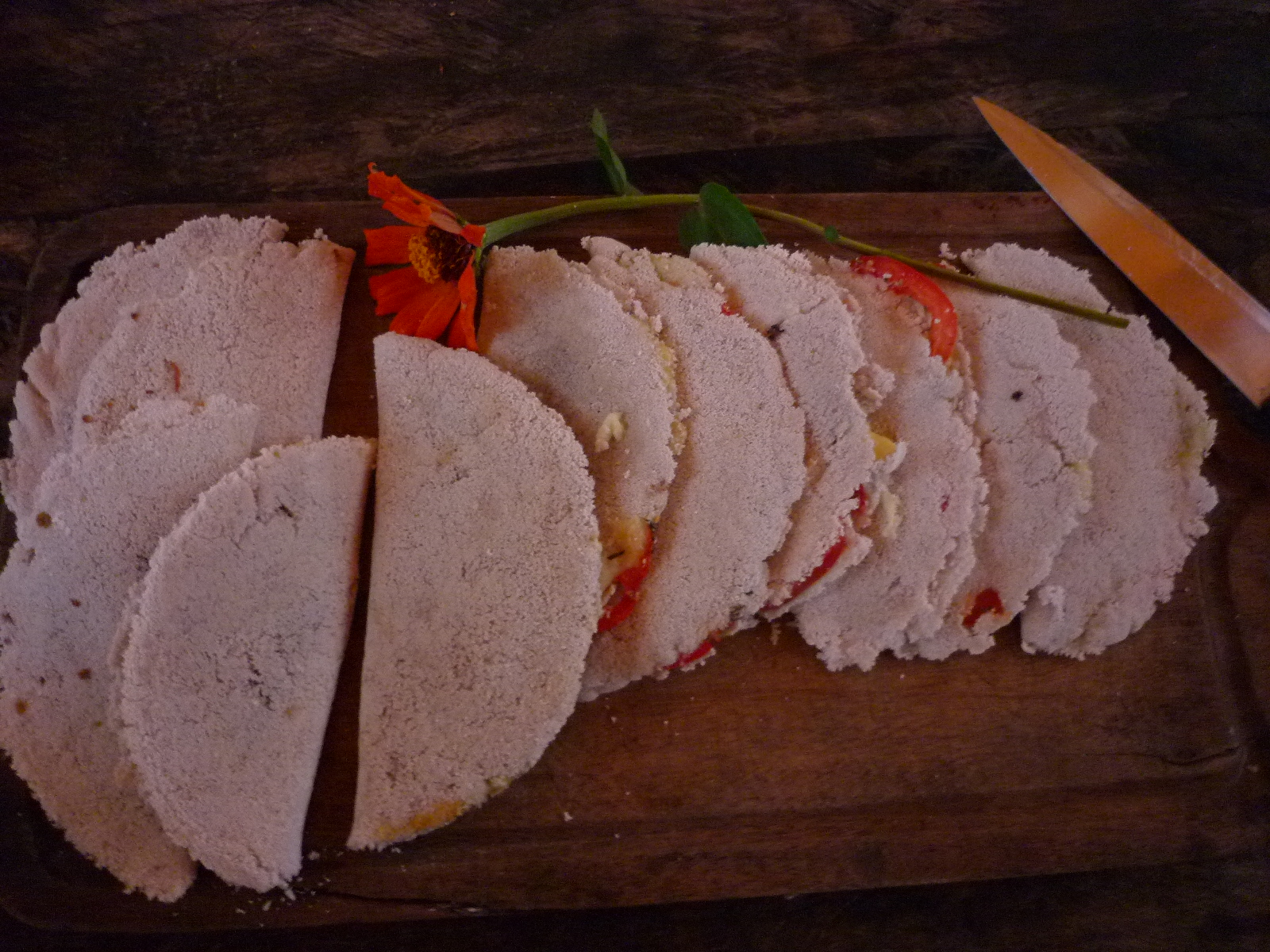
Local Dishes in Brazil
Brazil Let´s get to the point. Brazil is massive. Looking at local dishes in...
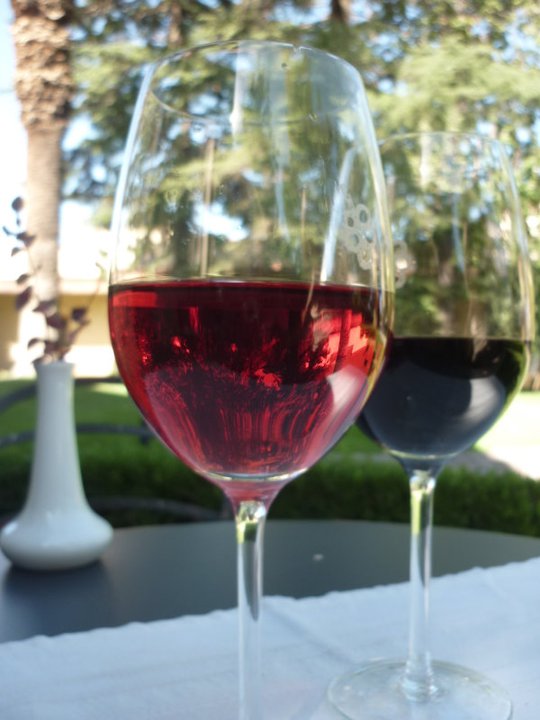
Local Food in Argentina
Argentina Background to Argentine Food: Argentina is famous for its steak...
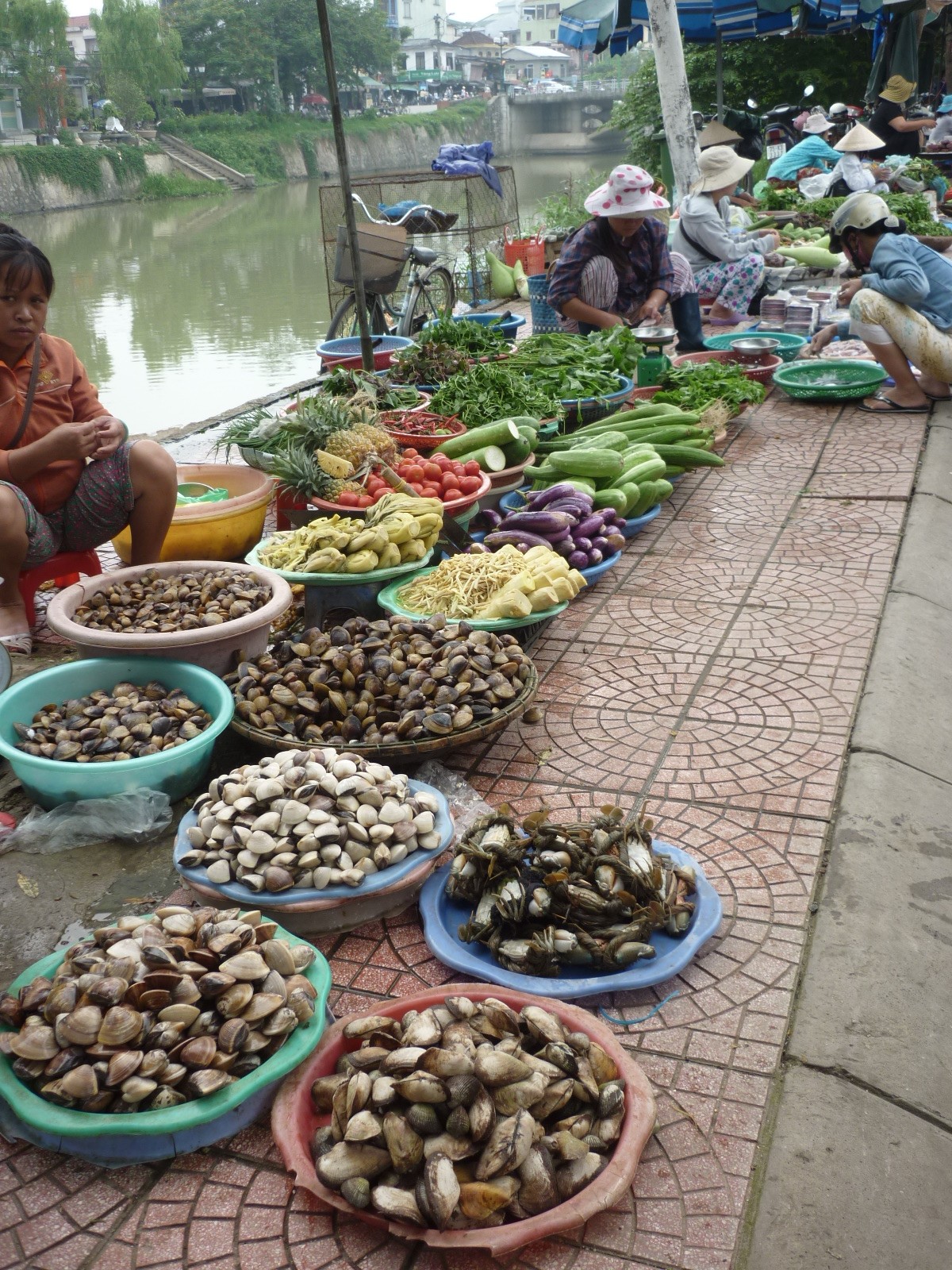
Local Dishes in Vietnam
Vietnam Background to Vietnamese Food: Vietnamese is known as the...
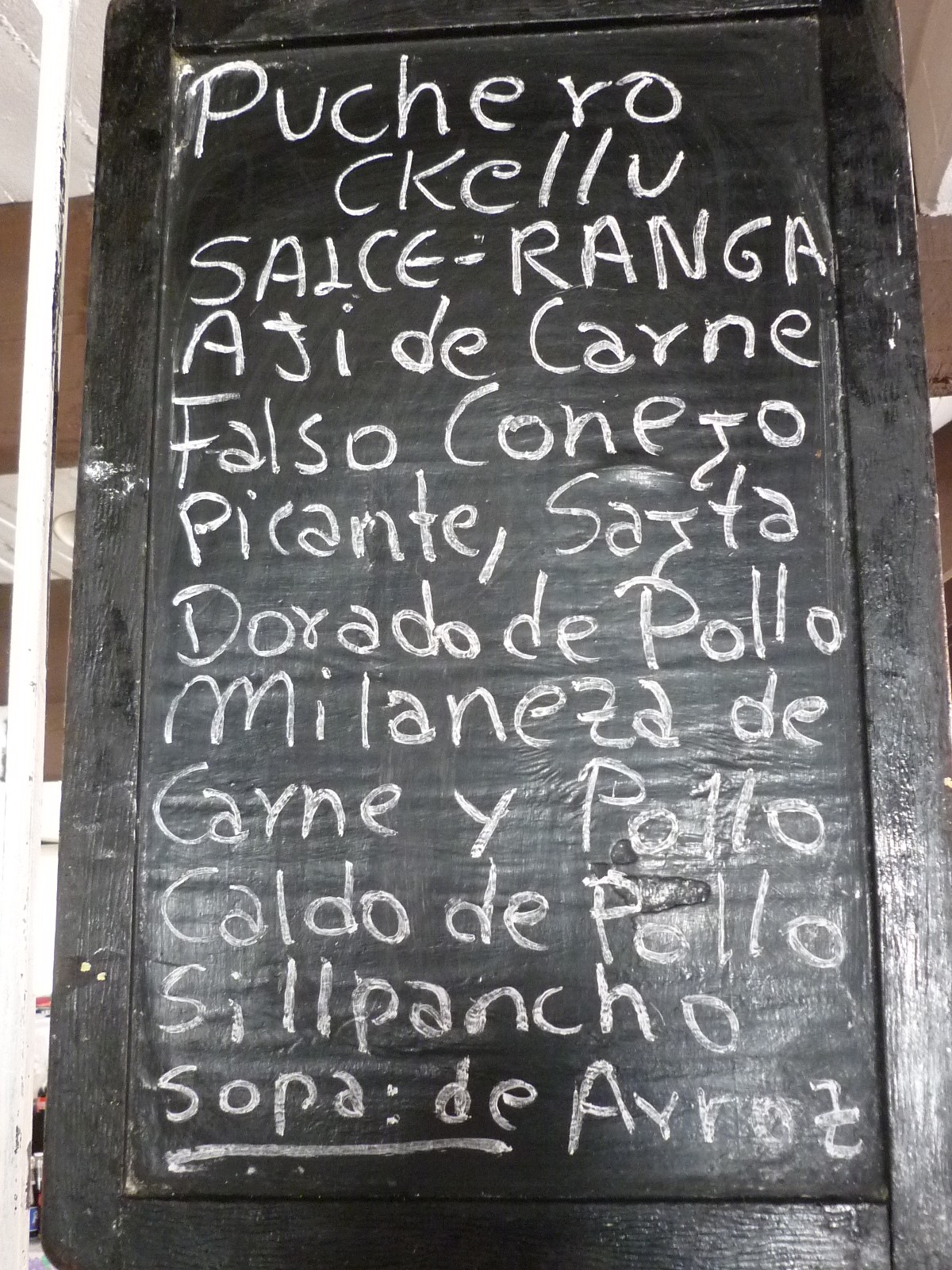
Local Dishes in Bolivia
Bolivia The west, Andean side of Bolivia tends to have a similar culinary...
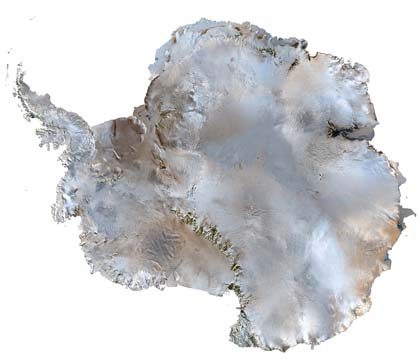
Local Dishes in Antarctica
Antarctica Let's be fair, there are not very many people who live in...

Local Dishes in India
Indian food Background to Indian Food: There are many misconceptions of...
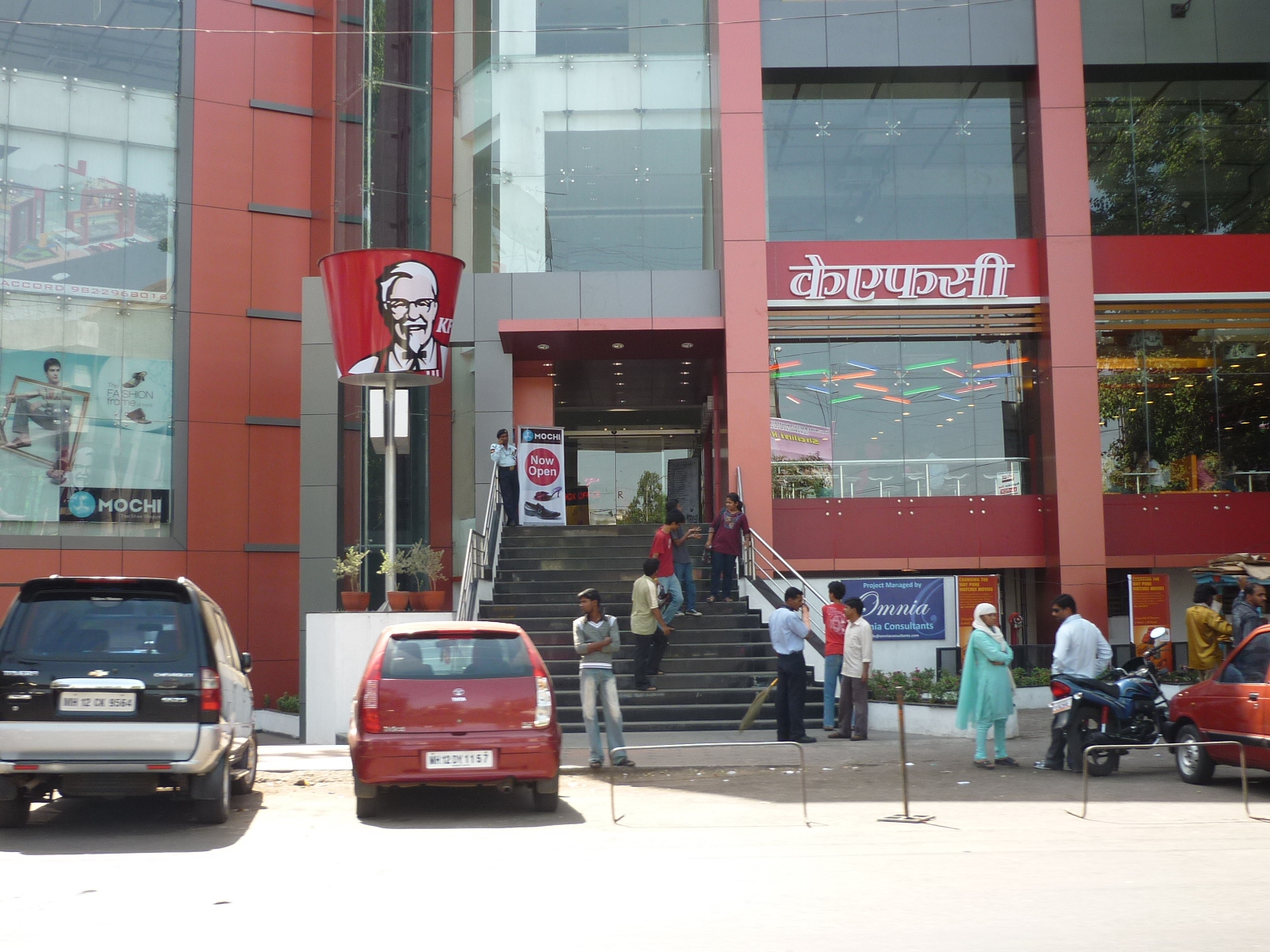
KFC Review Around the World
Surely not a page dedicated to KFC I hear you cry!?? Yes, but this is...
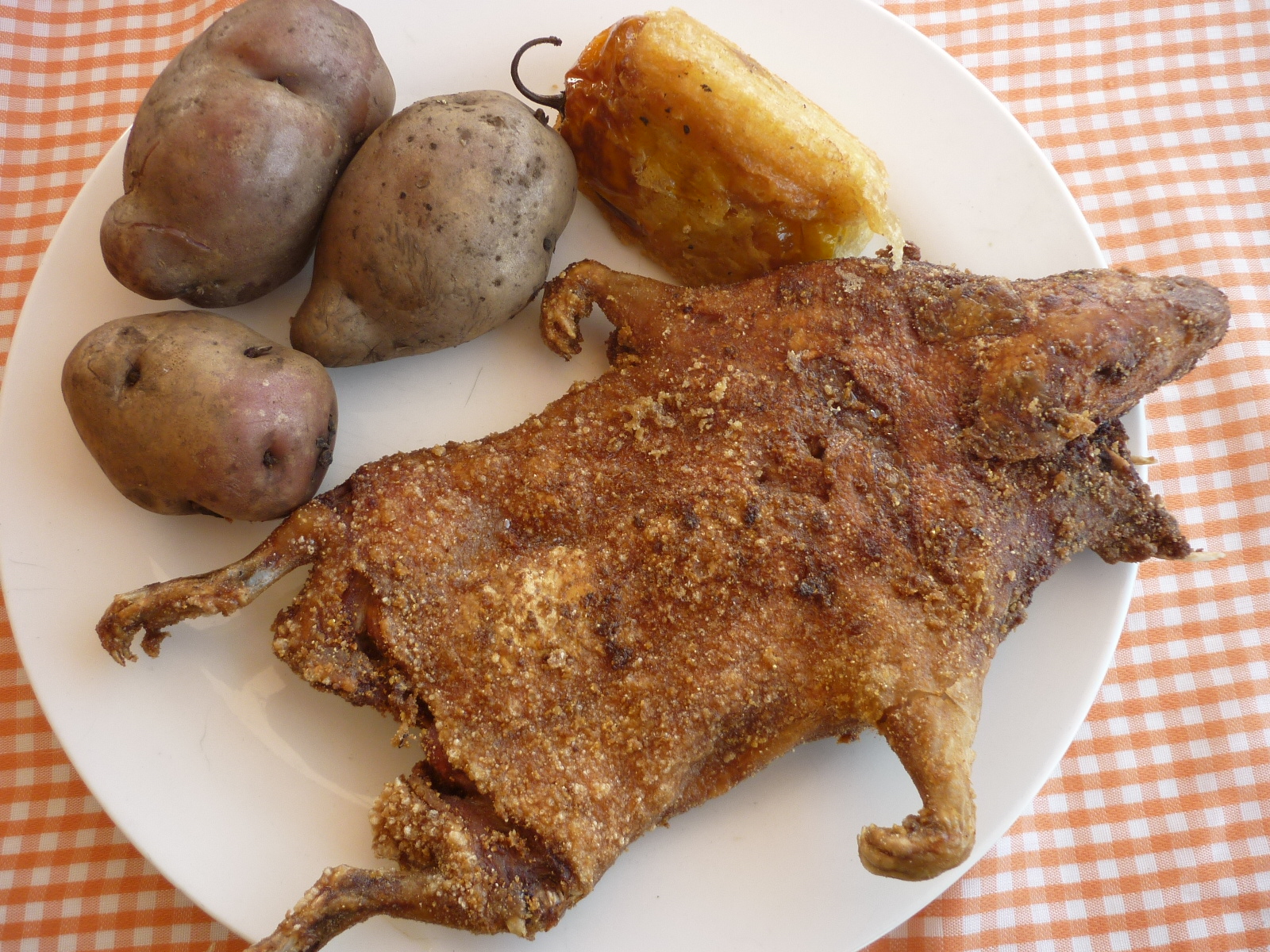
Local Dishes in Peru
Peru Like many South American countries local dishes in Peru are sometimes...
Local Food in Cambodia
Local food in Cambodia often live in the shadows of its neighbours Vietnam and...
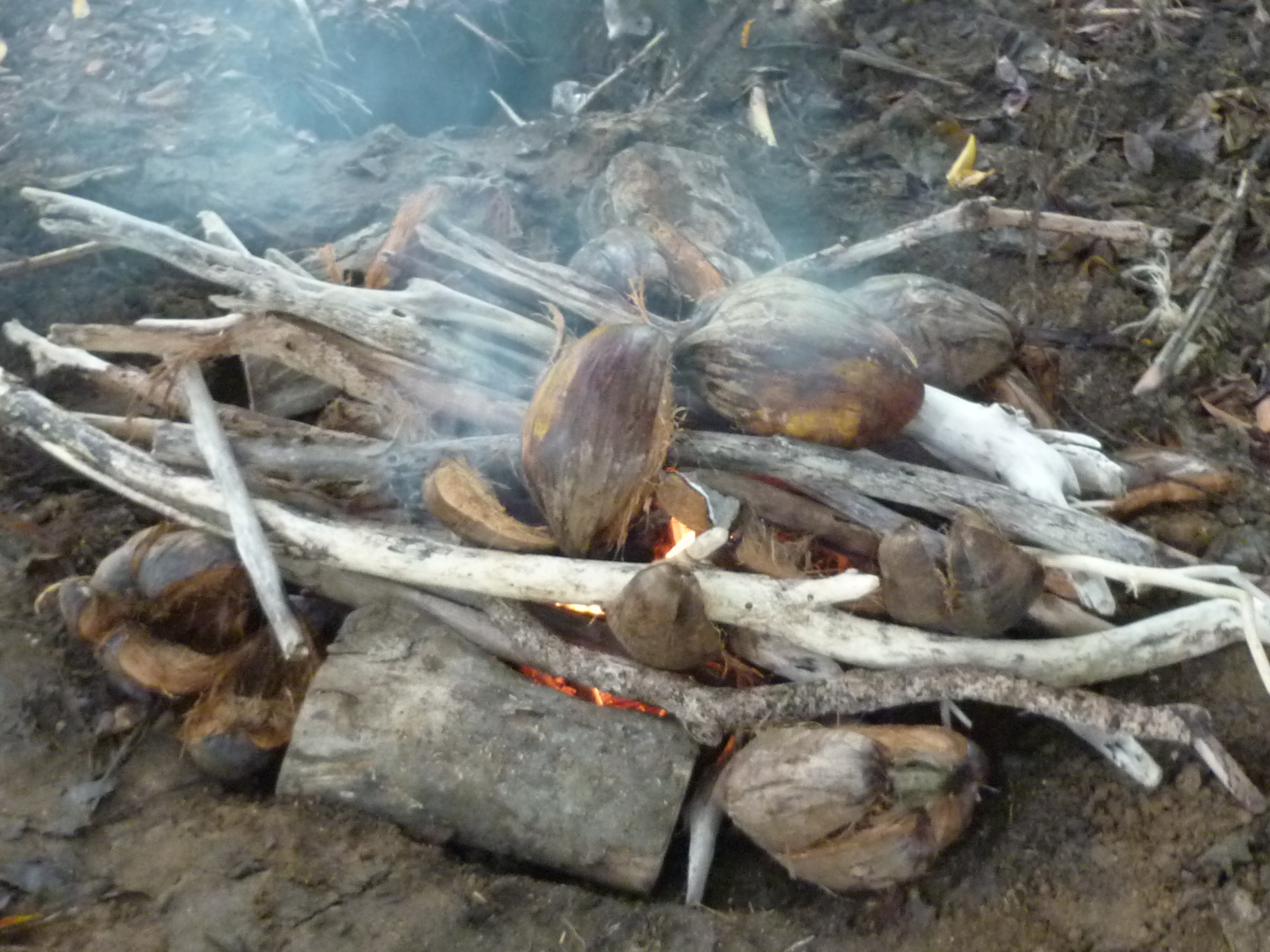
Local Food in Fiji
FIJI Fiji is a tropical paradise, only 10% of which is land and as a...
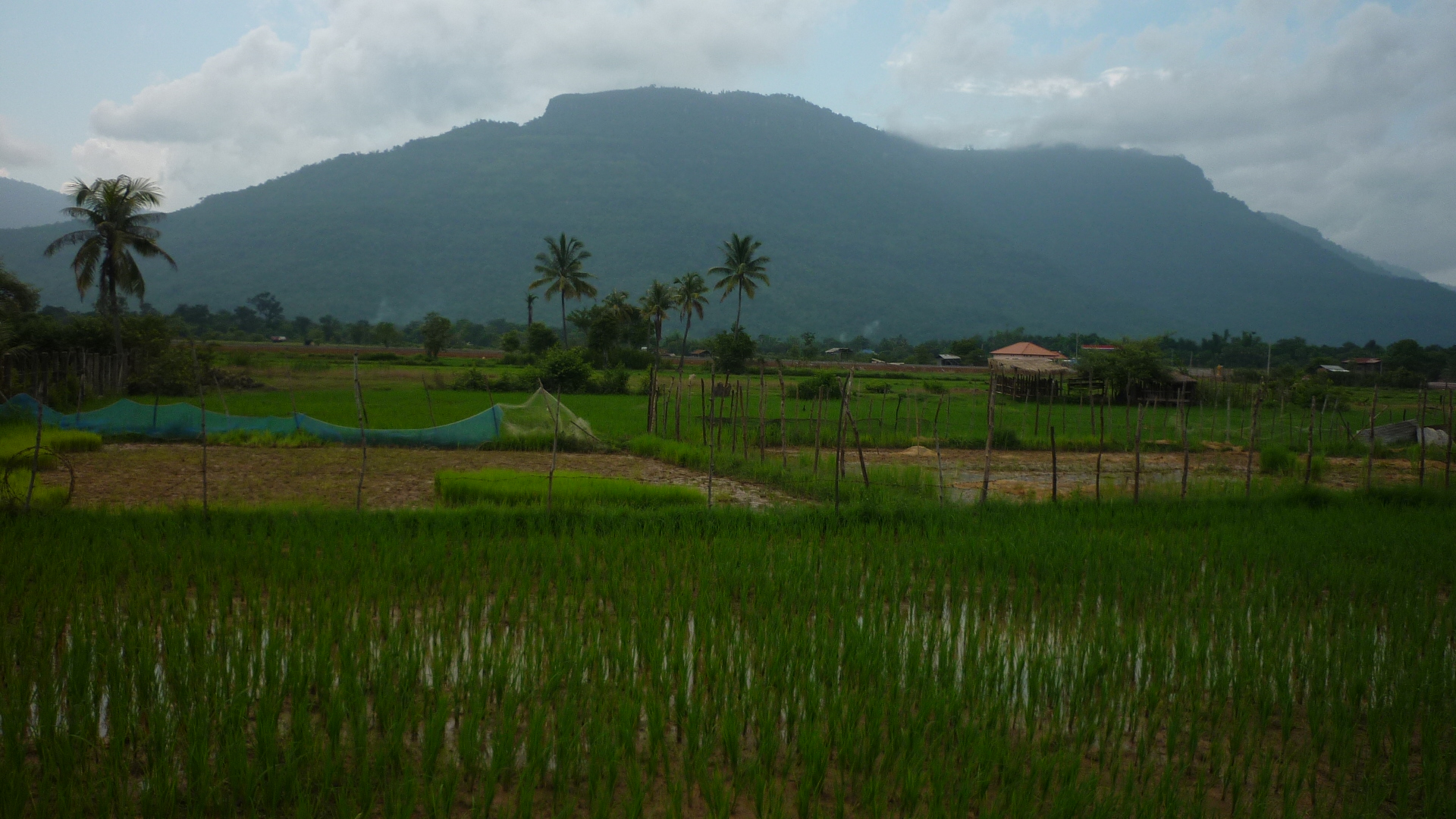
Local Food in Laos
Local food in Laos relies on the jungle, foraging and local production of...
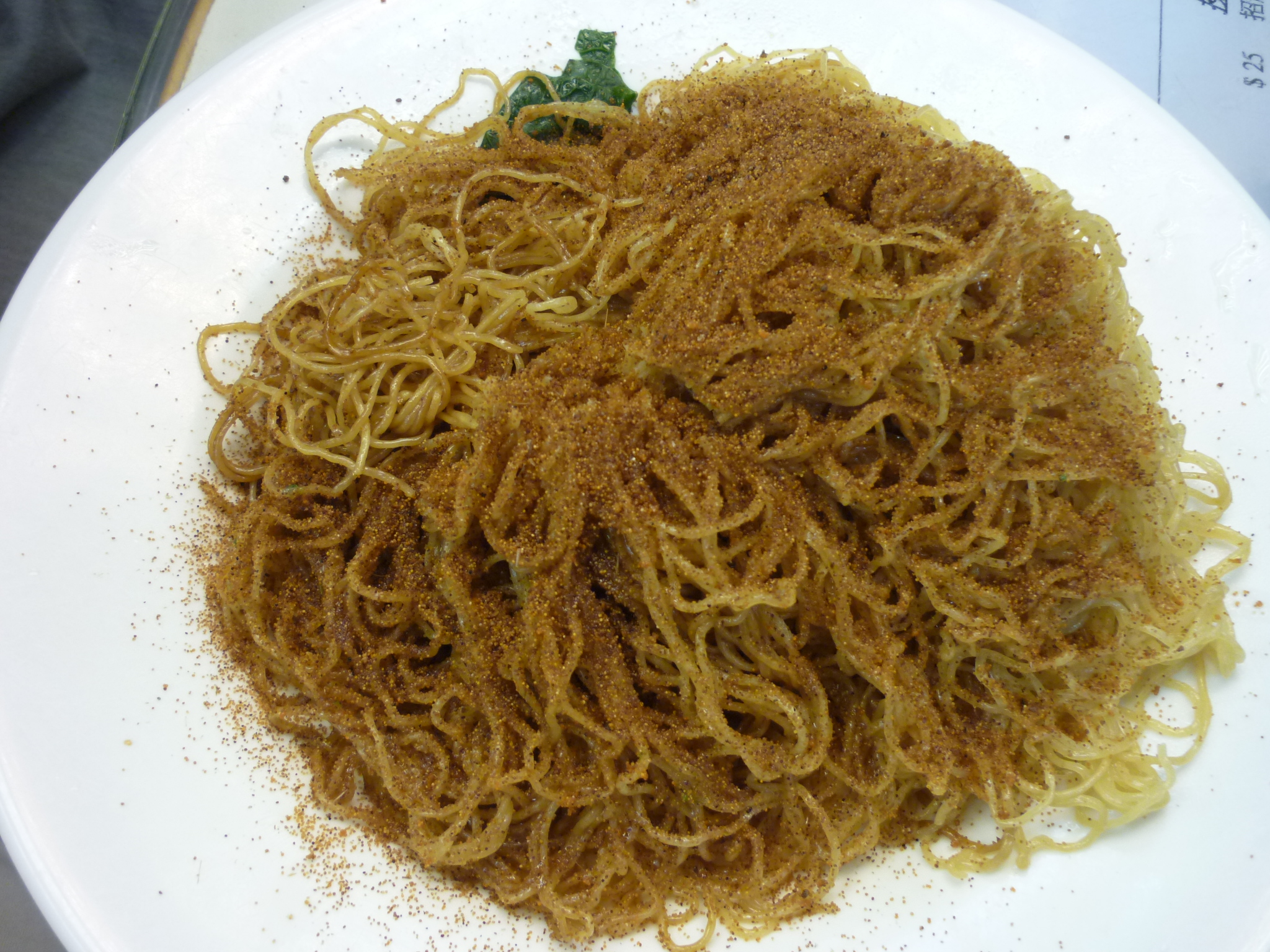
Local dishes in Hong Kong
Local dishes in Hong Kong are similar to their Chinese...
Local Dishes in New Zealand
Order our recipe book "Sharing the World's Local Food" ...where all of these...

Local Food in Thailand
The local food in Thailand are fresh and fragrant. Delicious! Well known for...